
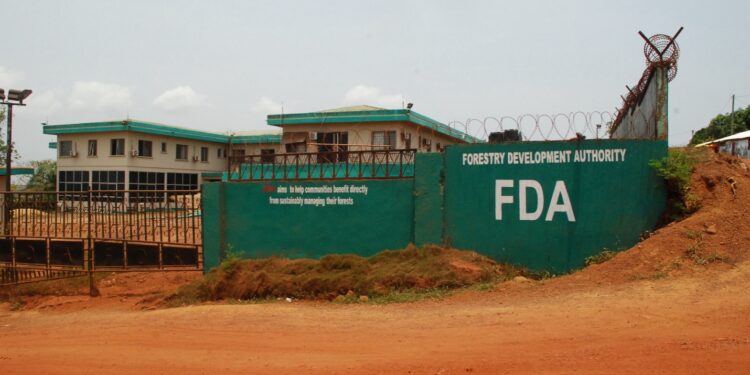
Urban areas are often bustling with activity, but they can also feel stark and lifeless. Amid the concrete jungle, the presence of green spaces becomes essential for both our well-being and the environment. Enter the Forestry Development Authority (FDA), a key player in transforming urban landscapes into vibrant ecosystems. This organization is dedicated to enhancing our cities by integrating greenery into everyday life. From parks to community gardens, their initiatives are breathing new life into urban settings. Let’s explore how the FDA is championing these vital changes and making our cities greener one project at a time.
The Importance of Green Spaces in Urban Areas
Green spaces are vital for urban health and well-being. They provide a necessary escape from the hustle of city life, offering residents a place to relax and recharge.
These areas serve as critical habitats for various wildlife species, promoting biodiversity even in heavily populated regions. Parks and gardens can help mitigate urban heat, making cities cooler during hot months.
Moreover, green spaces contribute significantly to mental health. Studies show that time spent in nature reduces stress levels and enhances mood. This is particularly important in densely populated environments where access to tranquility may be limited.
Additionally, they encourage physical activity by providing venues for walking, jogging, or group sports. The presence of greenery can also increase property values while fostering community interactions among residents.
Integrating more green space into our cities creates healthier environments that support both people and nature alike.
Introduction to the Forestry Development Authority (FDA)
The Forestry Development Authority (FDA) plays a crucial role in managing and conserving forest resources. Established to promote sustainable forestry practices, the FDA focuses on balancing ecological health with economic development.
Operating under the guidance of environmental laws, this organization implements policies that protect forests while encouraging their use for recreational and urban green spaces. By doing so, the FDA enhances biodiversity and improves air quality in urban settings.
Their vision extends beyond mere conservation; they aim to integrate nature into city planning. This includes creating parks, community gardens, and other green areas that foster community engagement.
With a dedicated team of professionals, the FDA collaborates with local governments and communities to transform neglected spaces into vibrant environments. Their work not only benefits wildlife but also enriches urban life for residents seeking connection with nature.
FDA’s Initiatives for Developing Urban Green Spaces
The Forestry Development Authority (FDA) is at the forefront of urban greening initiatives. Their programs aim to transform neglected areas into vibrant green spaces that benefit communities.
One notable initiative includes tree planting campaigns in schools and public parks. These efforts not only beautify surroundings but also educate young minds about environmental stewardship.
Additionally, the FDA works closely with local governments to design urban landscapes that incorporate biodiversity. They promote native species, which are more resilient and require less maintenance than non-native plants.
Community gardens have also gained traction under FDA’s guidance. These spaces empower residents to cultivate their own food while fostering a sense of community spirit.
Through workshops and outreach programs, they engage citizens in discussions on sustainable practices. This collaborative approach ensures that every voice is heard as cities evolve toward greener futures.
Success Stories of FDA’s Green Space Projects
The Forestry Development Authority has made remarkable strides in enhancing urban green spaces across cities. One standout project is the revitalization of a neglected park in downtown Monrovia. Through community engagement and strategic planning, this area transformed into a vibrant hub for recreation and relaxation.
Another inspiring initiative involved the installation of rooftop gardens on public buildings. These green oases not only beautify the skyline but also contribute to local biodiversity. Residents can now enjoy fresh produce while fostering a sense of community.
In addition, FDA’s partnership with schools has led to educational gardens that teach children about environmental stewardship. Students actively participate in planting trees and flowers, creating lasting memories as they learn about nature’s importance.
These success stories illustrate how targeted efforts lead to thriving urban ecosystems that benefit both residents and wildlife alike.
Benefits of Urban Green Spaces
Urban green spaces offer a range of benefits that enhance city living. They provide essential respite from the hustle and bustle of urban life.
These areas improve air quality by absorbing pollutants and releasing oxygen. A simple stroll through a park can invigorate both body and mind, promoting mental well-being.
Green spaces also play a crucial role in biodiversity. They create habitats for various species, helping to maintain ecological balance even amidst concrete jungles.
Social interactions flourish in these environments. Parks serve as communal hubs where people gather, fostering connections among diverse groups.
Additionally, well-maintained greenery can increase property values nearby. Residents are often drawn to areas with accessible parks or gardens, making them more desirable places to live.
Urban greenery contributes to climate resilience by reducing heat effects through shading and moisture retention. This not only cools neighborhoods but also mitigates flooding risks during heavy rains.
Challenges Faced by FDA and Solutions Implemented
The Forestry Development Authority faces several challenges in enhancing urban green spaces. Limited funding often restricts the scale of initiatives. Budget constraints can hinder project planning and implementation.
Another notable challenge is community engagement. Many residents may not fully understand the importance of green spaces or how to participate in their development. This gap can lead to a lack of support for FDA projects.
To combat these issues, the FDA has implemented innovative solutions. They actively seek partnerships with local businesses and non-profits for financial backing. These collaborations help fund various green space initiatives.
Additionally, outreach programs have been established to educate communities about the benefits of urban greenery. Workshops and events foster involvement, ensuring that residents feel valued in the process.
Through adaptability and collaboration, the FDA continues working toward making cities greener, despite facing obstacles along the way.
How You Can Get Involved: Volunteer Opportunities and Donations
Getting involved with the Forestry Development Authority can be a rewarding experience. There are numerous ways to contribute to urban green spaces that will benefit your community and the environment.
Consider volunteering for tree-planting events or maintenance programs. These hands-on activities allow you to connect with nature while making a tangible impact.
If time is limited, financial donations are always appreciated. Your contributions help fund various projects aimed at enhancing greenery in cities. Every dollar counts towards creating healthier ecosystems.
You can also spread awareness about FDA initiatives through social media or local gatherings. Engaging your friends and family makes it easier to rally support for urban greening efforts.
Join community meetings organized by the FDA to learn more about ongoing projects and voice any ideas you might have. Participation fosters collaboration between citizens and officials, amplifying collective efforts toward greener urban environments.
Conclusion: The Future of Urban Green Spaces with the Help of FDA
The future of urban green spaces is bright, thanks to the dedicated efforts of the Forestry Development Authority. Their innovative projects and commitment to sustainability are paving the way for healthier cities. As they continue to implement new initiatives, we can expect more vibrant parks, community gardens, and green corridors that enhance our urban landscapes.
The importance of these spaces cannot be overstated. They not only improve air quality but also provide habitats for wildlife and promote physical wellness among city residents. With a growing awareness of climate change impacts, the role of organizations like FDA becomes even more crucial.
By collaborating with communities and stakeholders, FDA is setting benchmarks in urban forestry management. The increasing participation from citizens shows that there’s a collective interest in nurturing our environment.
As communities rally behind this cause, support through volunteering or donations will further amplify these efforts. Engaging with local green space activities can foster stronger connections between individuals and their surroundings while promoting environmental stewardship.
With ongoing dedication from both the Forestry Development Authority and engaged citizens alike, we can look forward to flourishing urban ecosystems that benefit everyone now and into the future.