
Introduction to Mannacote
Mannacote might not be a household name just yet, but it’s time for this unique ingredient to shine in the culinary spotlight. Often overlooked, mannacote boasts a rich history and an array of nutritional benefits that can elevate your cooking game. Whether you’re a seasoned chef or someone who simply enjoys experimenting in the kitchen, understanding mannacote’s origins and versatile uses can open up new flavor profiles and health possibilities. Let’s dive into the fascinating world of mannacote and discover how this ancient staple is making waves in modern cuisine.
The Origins and History of Mannacote
Mannacote has a rich history that dates back centuries. Originating from ancient culinary traditions, it was often used as a staple in various cultures. It finds its roots in the Mediterranean region where grains and legumes were common.
Historically, Mannacote served not just as food but also as a source of nourishment for laborers and travelers. People appreciated its versatility; they could prepare it in numerous ways, enhancing flavors with local herbs and spices.
As time progressed, Mannacote spread across continents. Each culture adapted it to fit their unique cooking styles. From rustic peasant meals to gourmet dishes, this ingredient found its place on tables around the world.
Explorations and trade routes further popularized Mannacote. Today, many still cherish these age-old practices while infusing modern culinary techniques into their recipes. It’s fascinating how an ingredient can weave through history while remaining relevant today.
Nutritional Benefits of Mannacote
Mannacote is a powerhouse of nutrition. Packed with essential vitamins and minerals, it supports overall health in various ways.
This unique ingredient is particularly rich in fiber. Incorporating it into your meals can enhance digestion and promote gut health.
Additionally, mannacote contains protein, making it an excellent choice for those looking to boost their intake without relying solely on animal products.
It also offers antioxidants that help combat oxidative stress, contributing to better immune function.
Moreover, its low glycemic index makes mannacote suitable for individuals managing blood sugar levels. This means you can enjoy its benefits without worrying about sudden spikes in energy or cravings.
If you’re seeking a versatile addition to your diet that packs a nutritional punch, mannacote should be on your radar.
Traditional Uses in Cooking
Mannacote has a rich history in traditional cooking, often cherished for its versatility. This ingredient is commonly used as a thickening agent in soups and stews, adding both texture and depth to dishes.
In many cultures, mannacote appears in baked goods. It enhances the moisture content of breads and pastries, resulting in soft textures that melt in your mouth.
Additionally, it serves as an ideal base for breakfast porridge or puddings. Its subtle flavor allows it to pair well with spices like cinnamon or nutmeg.
Traditionally, families have relied on mannacote during celebrations too. Whether it’s used in festive desserts or savory side dishes, it brings people together around the table.
Its adaptability makes mannacote a staple across various cuisines worldwide. From hearty meals to delightful treats, this ingredient continues to play a significant role at mealtimes.
Modern Applications in the Culinary World
Mannacote has found its way into the kitchens of contemporary chefs, becoming a versatile ingredient that bridges tradition and innovation. Today, it’s not just a staple in ethnic cuisines but is also gaining popularity in fusion dishes.
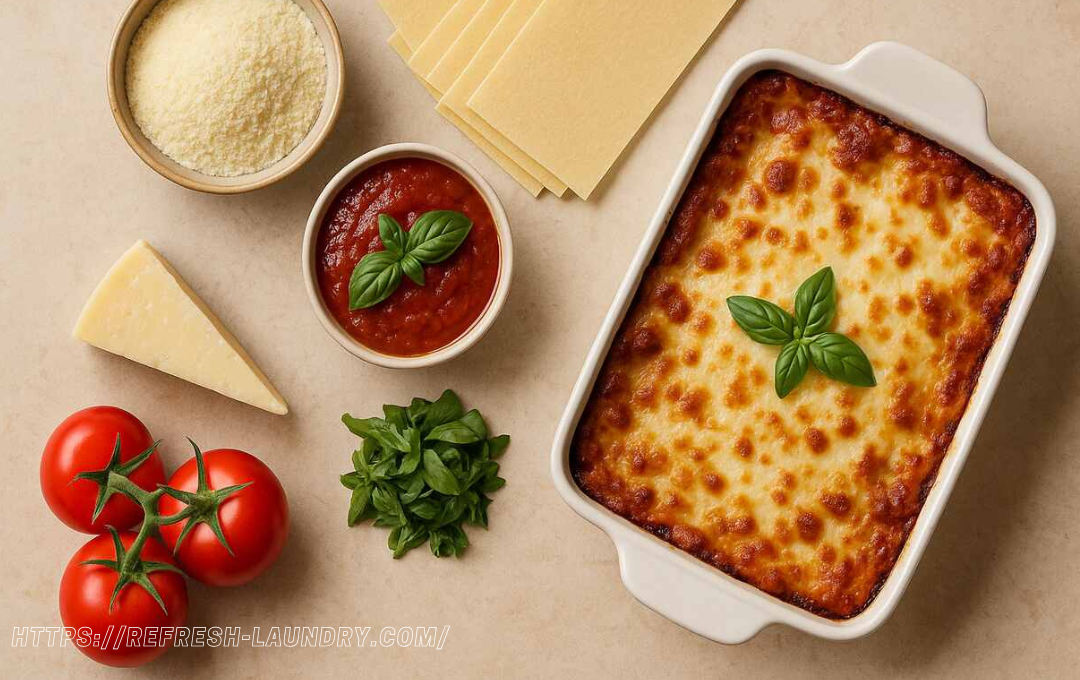
Chefs are experimenting with mannacote as a gluten-free alternative for pasta. Its unique texture provides an exciting twist to classic recipes. Think of mannacote lasagna layered with vibrant vegetables or hearty meat sauces.
In baking, this ingredient shines as well. It can be incorporated into bread and cookie recipes, adding both nutrition and flavor without overwhelming sweetness.
Moreover, health-conscious cooks appreciate how mannacote enhances smoothies and energy bars. Its ability to absorb flavors makes it perfect for infusing broths or stews, enriching them with depth without extra calories.
As culinary creativity continues to flourish, mannacote stands out as an adaptable choice for those looking to elevate their cooking game.
Unique Recipes Using Mannacote
Mannacote is a versatile ingredient that can elevate a variety of dishes. One unique recipe to try is Mannacote Pancakes. Combine the flour with eggs, milk, and a touch of vanilla for fluffy pancakes that have a subtle nutty flavor.
Another intriguing option is Mannacote Risotto. Slowly cook arborio rice in broth and stir in cooked mannacote along with sautéed mushrooms. This adds an unexpected texture while enriching the dish.
For dessert lovers, consider making Mannacote Energy Bites. Blend mannacote with oats, nut butter, honey, and chocolate chips. Roll them into bite-sized balls for a nutritious snack on-the-go.
Using mannacote as a crust for baked fish or chicken offers delightful crunchiness and flavor depth that will impress your dinner guests easily! The possibilities are endless when you let your creativity flow in the kitchen!
Incorporating Mannacote into Your Diet: Tips and Tricks
Incorporating Mannacote into your diet can be both enjoyable and simple. Start by mixing it into smoothies for a creamy texture and added nutrition. Its subtle flavor complements fruits well.
Consider using Mannacote as a thickening agent in soups or sauces. Just whisk it in gradually to achieve the desired consistency without overwhelming other flavors.
For breakfast, sprinkle some over oatmeal or yogurt to enhance your meal with extra fiber and nutrients.
Baking enthusiasts can experiment by substituting part of the flour in recipes with Mannacote, adding moisture while boosting health benefits.
Also, don’t overlook savory dishes; add it to casseroles or grain bowls for an unexpected twist that keeps things interesting.
Getting creative is key—there’s no limit to how you can enjoy this versatile ingredient!
Conclusion
Mannacote is not just an ingredient; it’s a bridge between tradition and modern culinary creativity. With roots that trace back through history, its versatility shines in various dishes while offering health benefits that are hard to ignore.
From ancient kitchens to today’s gourmet restaurants, Mannacote has found its place as a cherished staple. Its nutritional profile makes it appealing for those seeking healthier options without sacrificing flavor.
As we’ve explored unique recipes and practical tips for incorporating Mannacote into daily meals, it’s clear that this ingredient can elevate any dish. Whether you’re enhancing the texture of baked goods or adding depth to savory stews, Mannacote provides endless possibilities.
Embracing this historical grain allows you not only to enjoy its rich flavors but also contributes positively to your overall well-being. So go ahead—experiment with Mannacote in your next culinary adventure and discover the wonderful experiences it brings to your table!