
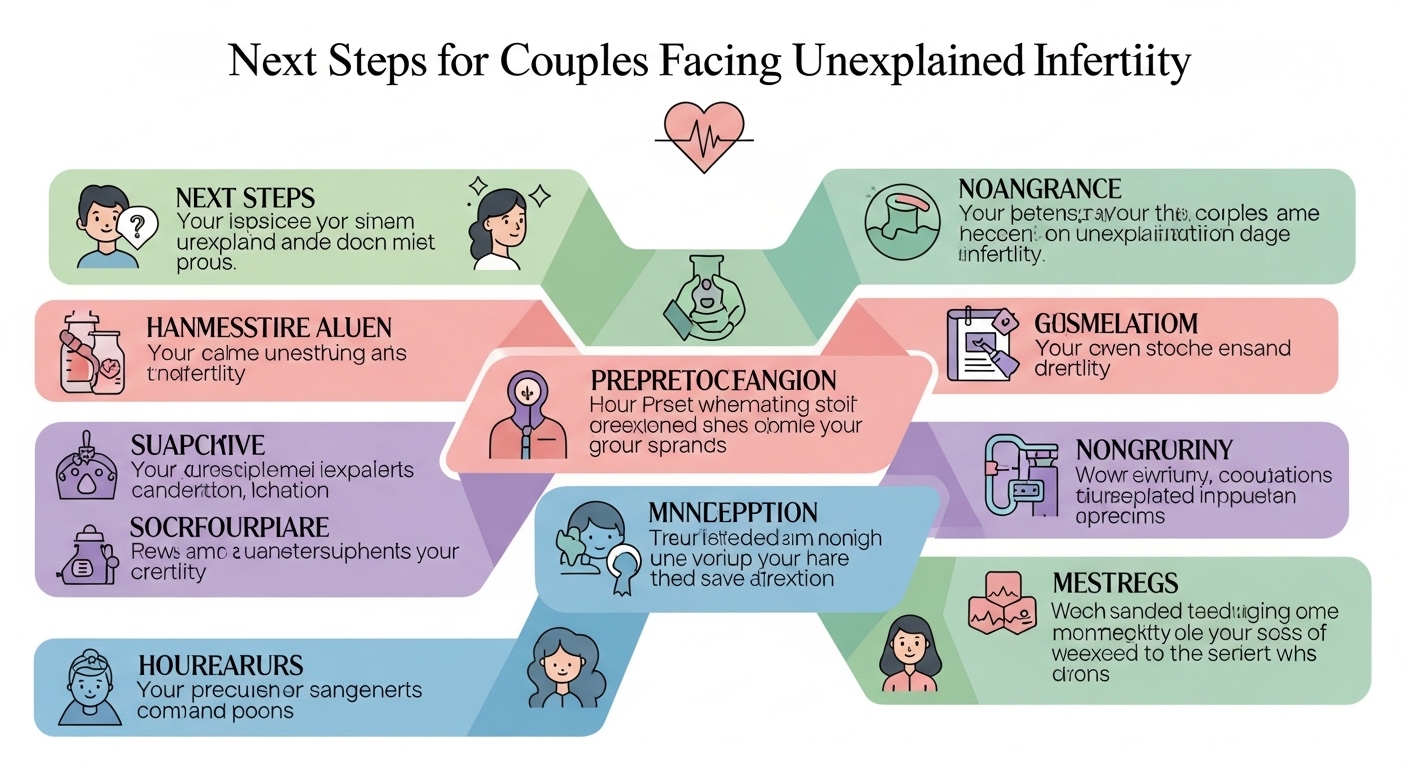
Unexplained infertility occurs when a couple is unable to conceive after regularly trying, and no identifiable medical cause can be found. It is caused by various factors, including hormonal imbalances and structural issues in the reproductive organs. A reproductive endocrinologist helps diagnosis the condition and recommends treatment options. Here are some next steps for couples facing unexplained infertility:
Consult a Fertility Specialist
During an appointment with a fertility specialist, the specialist evaluates patients’ health history and runs targeted tests. Some medical tests may include:
- Diagnostic testing: An ultrasound or other imaging tests check the reproductive organs for structural abnormalities, such as uterine fibroids, ovarian cysts, or polyps.
- Hormone testing: These tests help evaluate reproductive function. In women, they may provide information about ovarian reserve, and in men, it assesses factors that influence sperm production.
- Ovulation tracking: Determining regular ovulation helps confirm whether eggs are being released consistently and identifies potential timing issues that may affect conception.
- Semen analysis: A laboratory test checks the health and viability of sperm.
Doctors often ask about any previous pregnancies and if there is a history of miscarriage or ectopic pregnancy. Infertility symptoms linked to endometriosis should be mentioned during a consultation so the specialist can determine if further evaluation is needed. Taking the right steps before and during fertility treatment helps support implantation and improve care plans.
Evaluate Treatment Options
A fertility specialist identifies possible causes of unexplained infertility, and they guide further testing or treatment options. Treatment options are selected to address the specific issue, whether it’s irregular ovulation or uterine inflammation. Hormonal therapies help address imbalances that interfere with ovulation, egg development, or the ability to support a pregnancy.
Some couples choose minimally invasive surgeries, such as laparoscopy and hysteroscopy, to address physical abnormalities. If fibroids or polyps affect fertility, a doctor is able to recommend these procedures to help support implantation success. Assisted reproductive technologies may be available for more advanced and complex infertility cases. This includes in vitro fertilization (IVF), which entails fertilizing eggs and sperm in a lab before transferring the embryo into the uterus.
Focus on Lifestyle Adjustments
How couples live can affect fertility care and treatment planning. Doctors often review exercise, diet, smoking, and alcohol use. Helpful changes include
- Daily walks
- Strength training
- Balanced meals
- Smoking cessation
- Limiting alcohol.
These habits can support reproductive health during fertility planning and treatment.
Weight management also supports reproductive health in both partners. In women, excess weight can disrupt ovulation and menstrual regularity. In men, it affects reproductive function and semen quality. Examples include meal planning, portion control, and regular exercise several days each week.
Adhere to Testing Plan
Adherence to the suggested testing plan often enables couples to proceed with a better understanding of the information. Fertility experts might recommend blood tests, an ultrasound, sperm studies, and ovulation monitoring. These measures assist in determining patterns that influence conception and direct the subsequent phase of care.
Couples can also undergo testing of the uterine environment. Providers are able to use endometrial testing to investigate inflammation or other disorders that often impact implantation. The information assists the specialists in determining whether the treatment should concentrate on ovulation, sperm health, or the uterine factors.
The consistency in appointments, timing of the tests, and follow-up visits often helps maintain an effective care plan. Couples maintain diaries of the date of cycles, test outcomes, and treatment suggestions. Clarity in documentation assists the providers in modifying therapy and prescribing the best course of action.
Work with Healthcare Providers
Fertility specialists provide counseling and advice on the basis of medical assessments and assist couples in comprehending their choices. Engaging healthcare providers helps to confirm that the treatments are focused on personal needs and objectives. The involvement of professionals who can be trusted by the couples assists them to remain on track in the fertility process. Consultations and follow-ups frequently result in clarity in progress and actions to take next to make sure care plans are effective and can change in response to new situations.
Learn About Addressing Unexplained Infertility
Fertility specialists assess individual cases to uncover potential causes of infertility. They create personalized treatment plans based on specific needs. Couples facing unexplained infertility can benefit from professional evaluation and guidance. Schedule a consultation with a fertility specialist to explore the options that are available.